

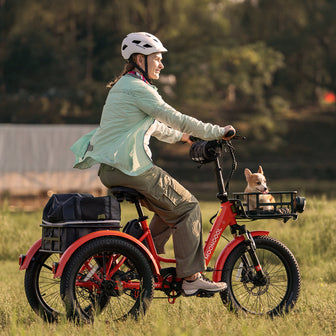
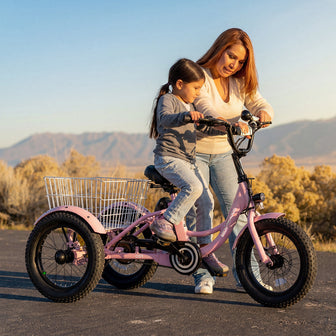





As spring approaches, people are starting to think about becoming more active and using electric trikes to get around. But before you swing your leg over an electric trike, it's important to understand the local rules for operating electric tricycles.
Electric tricycles are built for comfort, safety, and easy use, but they are still motor-assisted vehicles. Because of this, there are rules about where and how you can ride them. Learning about your local e-bike classes, lane rules, and certification needs helps you follow the law.
In this blog, I will break down the essentials so you can concentrate on riding safely this spring.
Understanding E-Bike Classifications
In most places, electric trikes follow the same general rules as electric bikes. These rules help local officials set speed limits, decide who can use bike paths, and keep all micro-mobility riders safe.
The United States has a three-class system for electric bikes:
* Class 1: Pedal-assist only (no throttle), with a motor that stops assisting at 20 mph.
* Class 2: Includes a throttle function, with motor assistance capped at 20 mph.
* Class 3: Pedal-assist only, with motor assistance up to 28 mph (helmet and age restrictions typically apply).

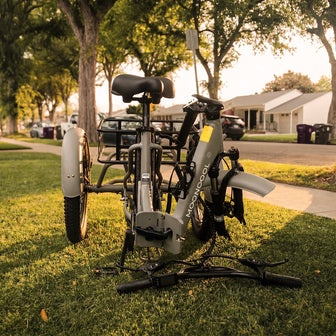
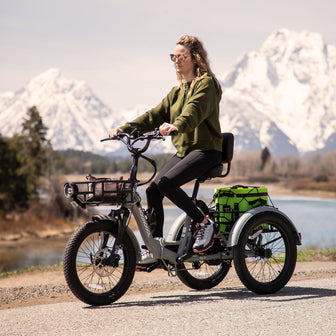
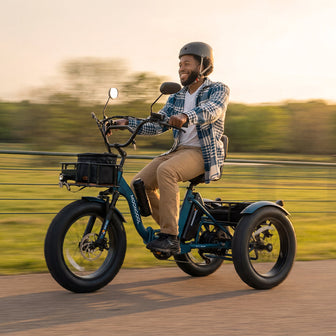
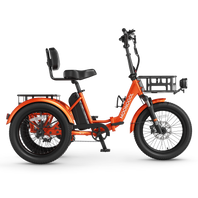
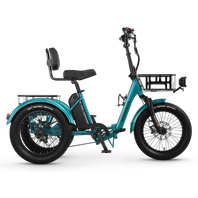
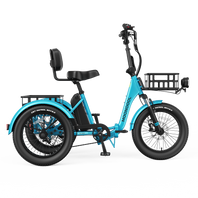
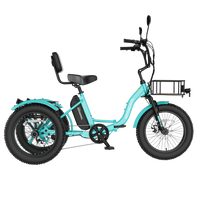
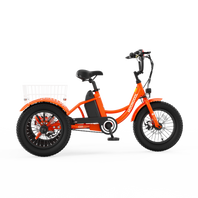
Mooncool electric trikes usually reach a top speed of 16 mph, which fits well within Class 2 standards. This means they are legal and allowed on most public bike paths, city streets, and community trails.
These Class 2 trikes are pretty versatile, as they have throttle modes that let you ride without pedaling. This means you can set off easily and ride at consistent speeds without exceeding limits, which will get you into trouble. It's always best to check your local state transportation website for specific destinations. This is because some states, such as California and New York, have slight variations on the three-class framework.
Where You Can Ride: Sidewalks, Bike Lanes, and Trails
Once you understand your trike’s classification, the next step is knowing where you can ride. This varies by city and state, but there are a few general rules that apply across most regions:

* Sidewalks: In many places, electric trikes aren’t allowed on sidewalks unless signs say they are for shared use. Sidewalks are for people walking, and riding there can be risky. Always give way to pedestrians, slow down, and get off your trike in crowded areas.
* Bike Lanes: Most Class 1 and Class 2 electric trikes can use bike lanes and multi-use paths. When riding in these areas, follow standard bicycle etiquette: stay to the right, signal turns, and maintain a safe following distance.
* Shared Trails: On park or recreational trails, the rules depend on who manages the area. National and state parks might only let electric trikes on certain multi-use paths. Always check signs or the park’s website before you go in.
In the European Union, similar regulations apply under the EPAC (Electrically Power Assisted Cycle) standard, limiting assist to 25 km/h (15.5 mph). Mooncool trikes meet this threshold, making them compliant with most EU micromobility rules (European Commission Mobility and Transport).
As cities improve their roads, many are adding special micromobility lanes for three-wheeled vehicles. These wider lanes make it safer for trike riders to pass and be passed.
Safety and Etiquette for Three-Wheeled Vehicles
Even in places where electric trikes are allowed, it’s important to follow good riding manners. This helps keep everyone safe. Here are a few simple tips to make your rides safer for you and others:
* Use signals. Stick out your arm to indicate turns or stops so cyclists and drivers can anticipate your movement.
* Stay predictable. Avoid sudden swerves or stops when sharing space with bikes or scooters.
* Keep right. Stay near the edge of lanes unless overtaking or avoiding obstacles.
* Be visible. Use front and rear lights in low-light conditions and wear reflective gear at night.
* Respect pedestrians. When approaching walkers on shared paths, slow down and announce your presence with a bell or friendly “on your left.”
If you follow these habits, you help make roads and paths safer for everyone. It also helps show that electric trike riders are responsible members of the micro-mobility community.
The Role of Safety Certifications
One of the most important certifications for e-bikes and trikes in North America is UL 2849, which verifies compliance with fire and electrical safety standards.
The UL 2849 certification covers the entire drive system, including the battery, motor, and charger. This certification minimizes risk by ensuring all electrical components work safely together under normal use.
Mooncool electric trikes have UL 2849 certification, meaning they meet top standards for electrical safety and reliability. This gives riders peace of mind and can also help with insurance or building rules, especially in apartments or shared garages where certified e-bikes are required.
You can find UL certification labels on your trike or in its paperwork. When buying accessories or new batteries, always choose UL-listed parts to keep your trike safe and working well.
Regional Variations to Be Aware Of
While the three-class framework provides general clarity, local jurisdictions may impose additional requirements. Examples include:

* Age restrictions: Some states limit Class 2 trike operation to riders aged 16 and up.
* Helmet laws: Class 3 regulations often require helmets, and some states extend that requirement to all powered trike riders.
* Licensing or registration: Rare for Class 1 and Class 2 e-bikes, but occasionally required for high-powered trikes exceeding local wattage or speed limits.
* Trail access restrictions: Mountain and wilderness areas may ban electric-assist vehicles from natural-surface trails, even if the trike meets speed regulations.
For the most accurate, up-to-date information, riders in the U.S. can visit their state Department of Transportation or local bicycle coalition websites. The National Conference of State Legislatures (NCSL) also maintains an updated summary of state-by-state e-bike laws.
By staying up to date on local rules for electric tricycles, you help keep yourself and others safe.
Conclusion: Ride Safe, Ride Legal, and Enjoy the Freedom
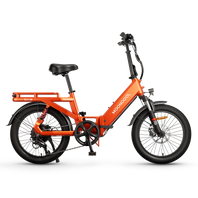
Electric trikes give you the freedom to get around safely. But you still need to be responsible by knowing your local rules. Mooncool’s commitment to compliant design and rider safety ensures that every model from the TK1 Folding to the TK Pro meets the standards that matter most.
So as spring arrives, get your trike ready, check your routes, and head out knowing you’re riding smart and legal.