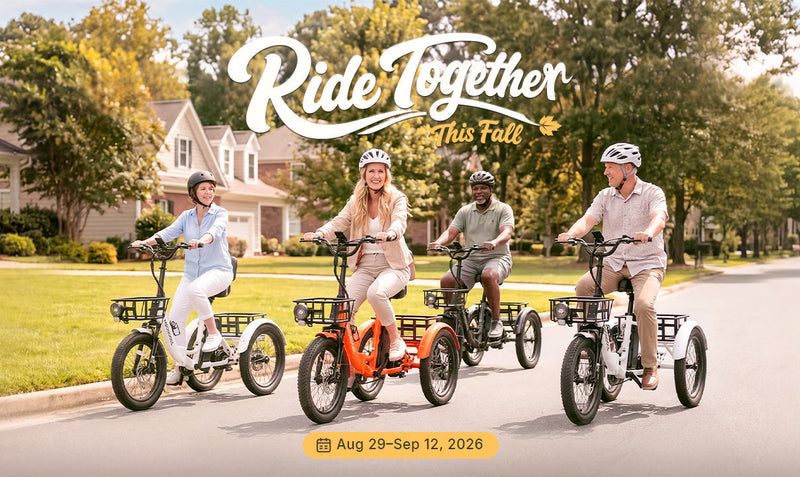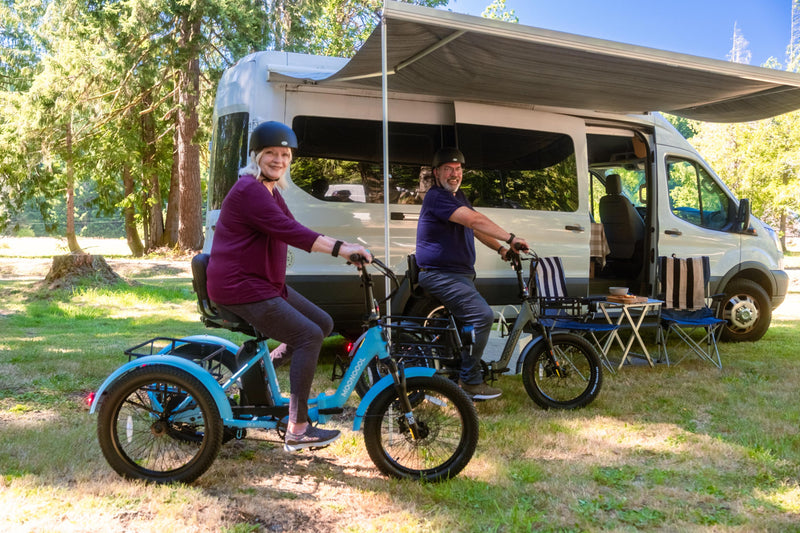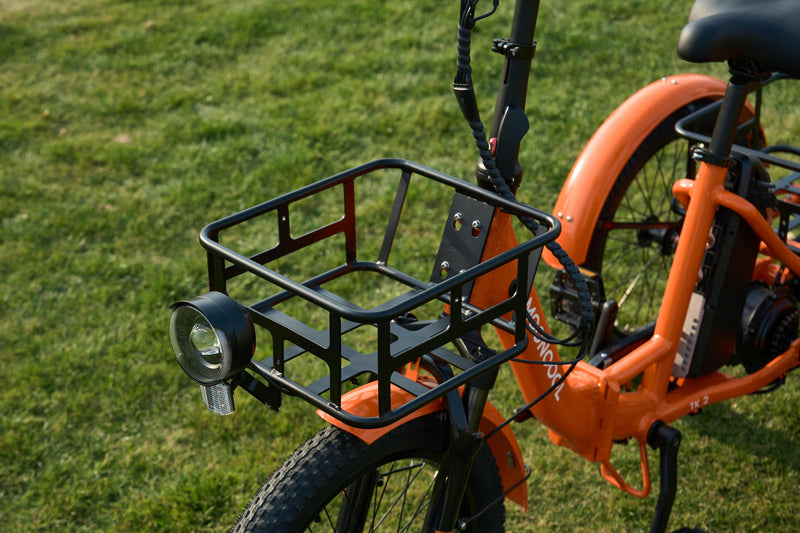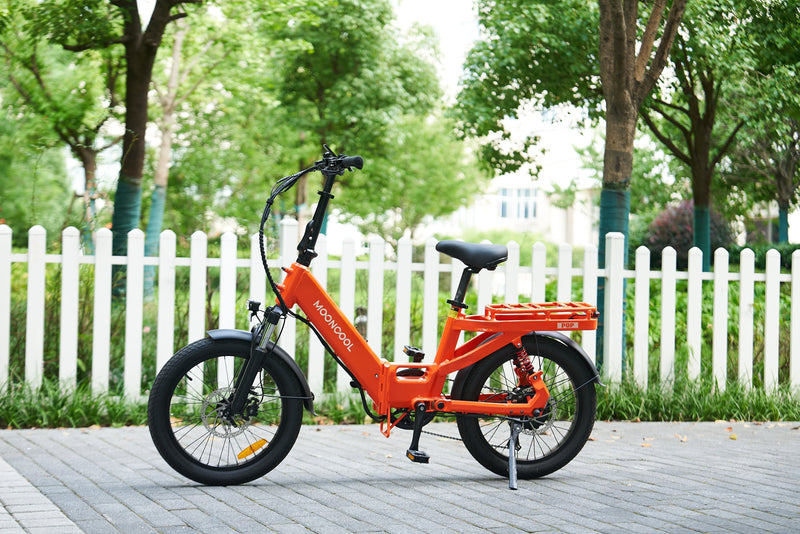


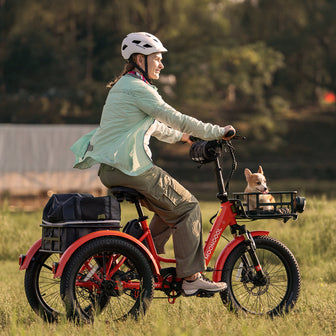
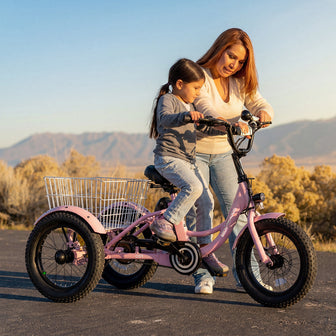
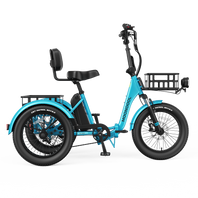
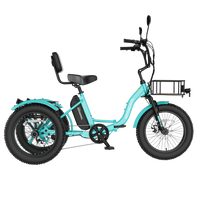
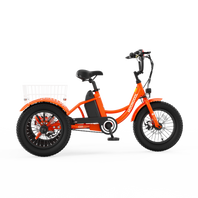
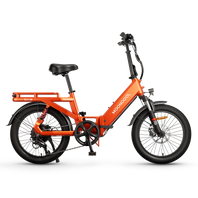





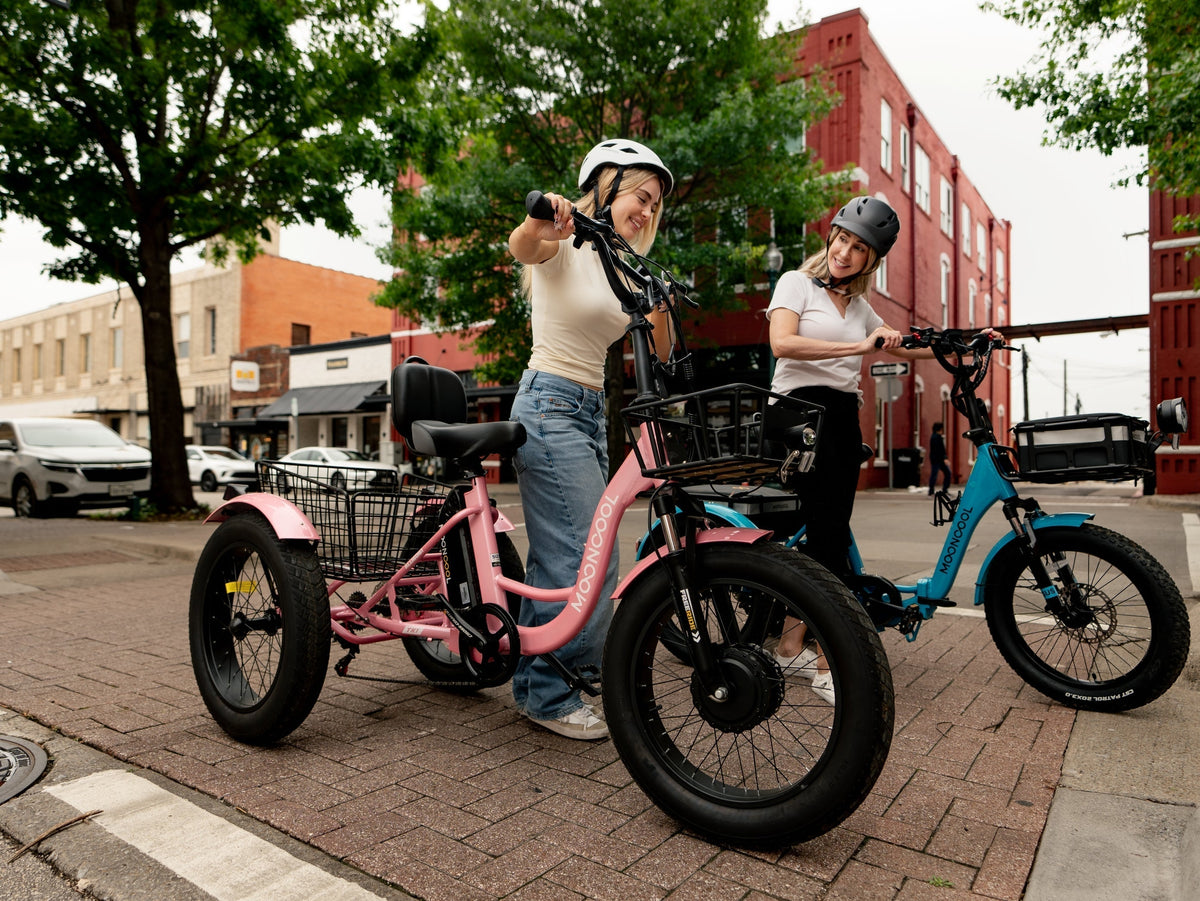

If you are used to a regular electric bike or a traditional bike, you notice a significant difference in the feeling of speed when you jump onto an electric trike. With three wheels, a stable frame, and an electric motor working together, you experience a new level of confidence that will encourage you to ride further and longer. That same confidence makes speed control one of the most important skills for safe and enjoyable electric trike riding.
Some people mistake managing speed with riding slowly. However, it's more about riding deliberately with care. Understanding the impact of speed control on electric trikes' safety helps riders improve cornering, comfort, and stay in control even when conditions change. So you can have just as much control on an off-road trail as you would on smooth pavement. Electric trikes respond differently from two-wheeled bikes, and learning how to work with that difference helps riders stay balanced and safe.
In this blog, I will break down why speed management matters on three wheels. I'll also talk about how Mooncool design features improve stability and how smart use of pedal assist contributes to safer riding habits.
Why Speed Management Works Differently on Three Wheels
Electric trikes offer great stability because they don’t rely on balancing like a two-wheeled bike does. That extra stability makes riders feel more planted and secure. This is especially the case at low speed or when stopping and starting. It also makes a difference when you are mounting and dismounting the trike while it is stationary.
Good speed management is essential because:
* Trikes distribute weight across three contact points.
* Turning forces are felt through the frame rather than the lean angle.
* Momentum builds steadily with electric assistance.
This difference doesn't make electric trikes harder or more boring to ride. It makes intentional speed control part of safe handling and confident riding.

Cornering Physics and Why Slowing Before The Turn Matters
You'll notice the impact of speed most when cornering. This is because it is more noticeable on an electric trike. Unlike regular bicycles, trikes maintain a flat riding position through turns. That means centrifugal force pushes outward rather than being absorbed through lean.
Slowing down before entering a turn allows the trike to track smoothly and maintain full contact with the ground. This means you have good grip, predictable steering, and stability.
Here are three good cornering habits you should adopt:
* Reducing speed before the turn rather than during it
* Keeping both hands steady on the handlebars
* Maintaining a smooth pedal cadence without sudden power input
Electric assist is helpful on straight sections but can feel abrupt when applied mid-turn. Therefore, you need to anticipate the turn and adjust your speed early so you can stay safe when changing direction.
The Stability Advantage of a Rear Differential Mechanism
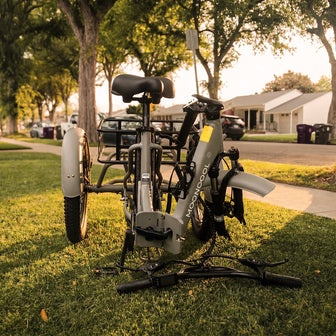
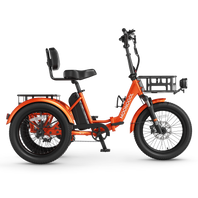
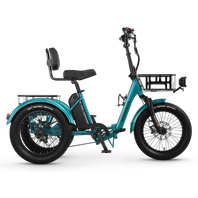
Mooncool Electric trikes like the TK1 Folding and the TK Pro feature a rear differential mechanism designed to enhance turning performance. This system allows the rear wheels to rotate at a different speed while riding around a bend or corner.
In real-world riding, this means,
• The outer wheel travels farther without resistance
• Steering feels smoother and more controlled
• Tire wear is reduced over time
The real-world impact of speed control on electric trikes' safety becomes more apparent when it is combined with a rear differential. As long as you use control-entry speeds, the differential delivers a predictable, confidence-inspiring turning experience.

Using PAS Levels to Match Speed With Your Environment
Pedal assist plays a major role in how speed feels when you ride an electric trike. Mooncool’s five-level pedal assist system allows riders to adjust how much help from the motor they get based on the surroundings, the terrain, and the rider’s preference.
Lower PAS Levels for Crowded or Complex Areas
In shared spaces, intersections, or busy paths, lower assist levels provide better precision. PAS levels 1 and 2 provide light support that helps you respond to what's happening around you.
Benefits include:
• Easier modulation of speed
• Improved reaction time
• Reduced risk of sudden power surges
Lower assist encourages smoother pedaling and more controlled movement in areas where conditions change quickly.
Higher PAS Levels for Open Roads and Longer Rides
On open roads or extended routes, higher PAS levels help maintain momentum while reducing physical strain. PAS levels 3 through 5 support efficient cruising when visibility and space allow.
When using higher assist,
• Increase speed gradually
• Adjust down before turns or stops
• Stay aware of upcoming changes
Matching PAS level to environment supports safer, more enjoyable rides.
The Cruise Control Factor and Consistent Pacing
If you can maintain a steady pace, your rides are often more comfortable and less tiring. Constant speed adjustments can also run down your battery prematurely, which can be an issue on long trips.
But the TK Pro has a cruise control feature. Just like a car, it helps you to maintain a constant speed when conditions are predictable. This allows you to focus on steering awareness of what's going on around you and staying safe.
Using Cruise Control Safely
Cruise control works best on:
• Long straight paths
• Low-traffic roads
• Open recreational routes
When used appropriately, cruise control:
• Reduces hand fatigue
• Encourages smooth riding habits
• Prevents unintentional speed creep
You should never use cruise control in crowded or complex environments, as you can get yourself into trouble quite quickly.
Rider Awareness and Handling Confidence
Speed control is complemented by the rider adopting the proper posture on the trike:
Helpful habits include:
• Sitting upright with even weight distribution
• Keeping elbows slightly bent
• Looking ahead to anticipate changes
These habits improve steering response and allow you to react calmly and confidently.
Developing Better Speed Habits Comes With Experience
Over time, you will become better at safe speed management when riding your electric trike. But you need to focus on smooth inputs, as this will naturally build confidence.
Useful practices include:
• Practicing turns at lower speeds
• Adjusting PAS levels frequently
• Riding familiar routes to understand pacing
Smooth speed habits also protect the trike itself. Controlled acceleration and braking reduce wear on the trike’s components. This means you can expect your brake pads to last longer, reduce stress on your drivetrain, and maintain consistent handling over time.
A Joyful Ride Reimagined Through Safe Speed Control

Electric trikes are designed to deliver confidence, stability, and freedom. The impact of speed control in electric trikes affects how enjoyable and predictable each ride feels.
By slowing before turns, using pedal assist thoughtfully, taking advantage of rear differential stability, and applying cruise control responsibly, riders create a calm and capable riding experience.
Safe riding habits actually enhance your time on your trike. When speed is managed with intention, your riding becomes smoother, more comfortable, and more rewarding. The safety aspect is a major factor, too, as you're more likely to ride again if you stay safe.
If you are ready to ride with more confidence or explore trikes designed around safety and control, browse Mooncool’s electric trike lineup. A joyful ride reimagined begins with the right balance of power, stability, and smart speed management.