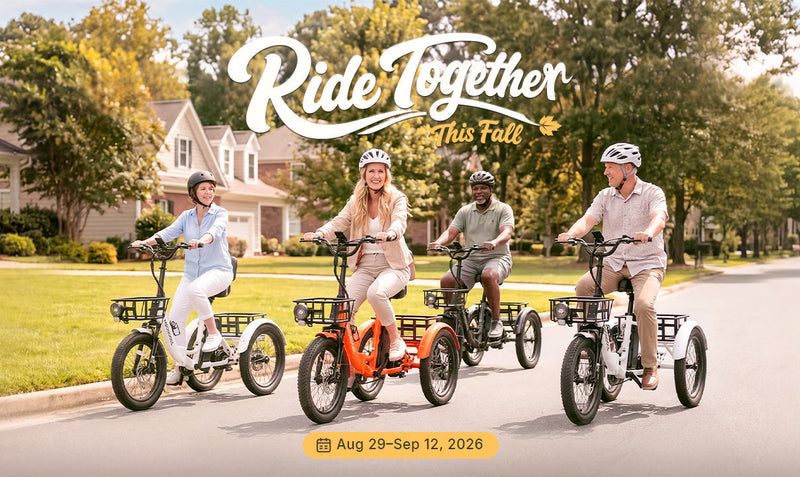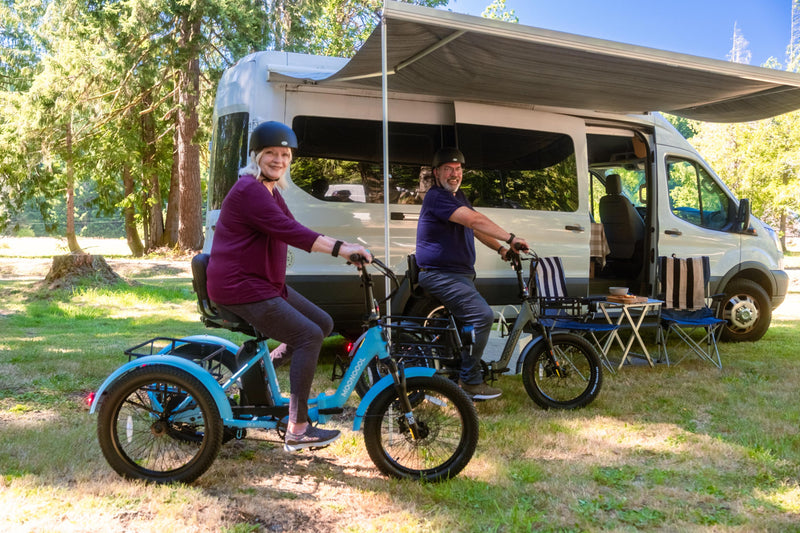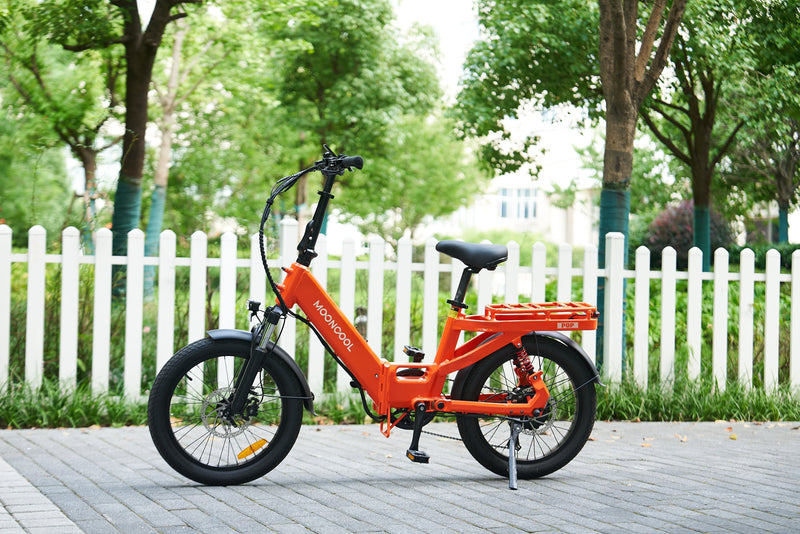


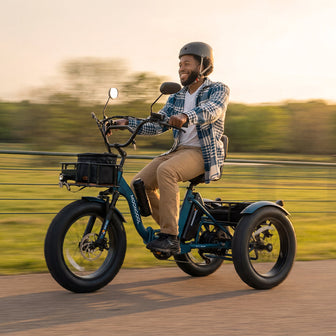
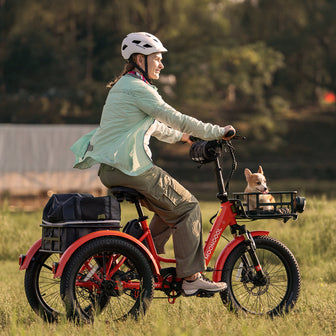
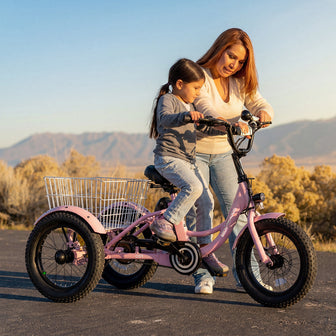
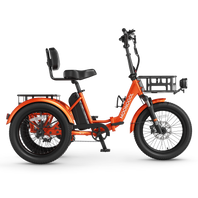
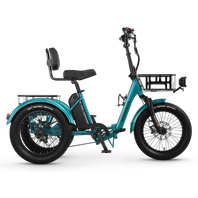
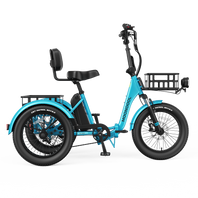
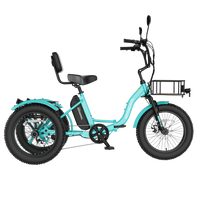
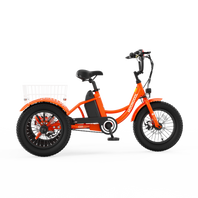





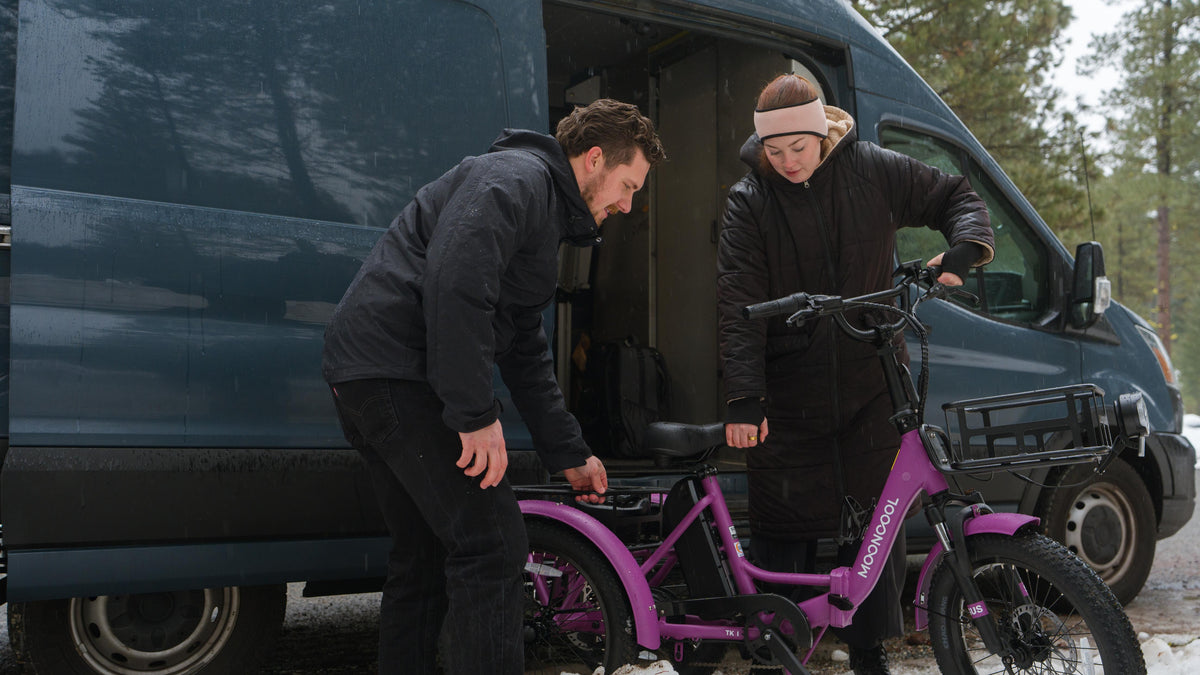

The pedal-assist and throttle options on electric trikes let you travel farther and maintain steady speeds much more easily. Along with their extra stability, this added capability is one of the reasons electric trikes have become so popular for commuting, errands, and recreational rides.
However, all this power requires you to be more aware. Understanding the impact of speed control on the safety of electric trikes is essential for every rider. If you learn to manage your speed properly, turn, respond to traffic conditions, and maintain full control of your trike, riding becomes second nature.
In this blog, I’ll go into how speed control affects safety, how braking physics work on a trike, and how Mooncool’s design helps you to stay in control on every ride.
Power Is Nothing Without Control
Electric trikes are designed to make riding easier. The pedal-assist system helps riders get up to speed more easily, while the throttle allows you to ride without needing to pedal at all.
Because the motor assists with acceleration, you can reach cruising speeds faster than you may expect. On open roads or bike paths, this feels super easy and enjoyable. But you need to be able to manage that speed to stay safe in situations like this:
• Making turns
• Approaching intersections
• Riding near pedestrians
• Riding downhill
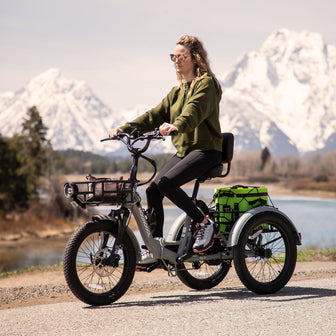
• Carrying cargo

The Physics of Stopping a Trike
Understanding how braking works can help riders appreciate why staying in control of their speed is so important. Stopping distance depends on your speed, total weight, and road conditions.
When a trike travels faster, it carries more momentum. That momentum must be reduced with the brakes before you can bring your trike to a complete stop.
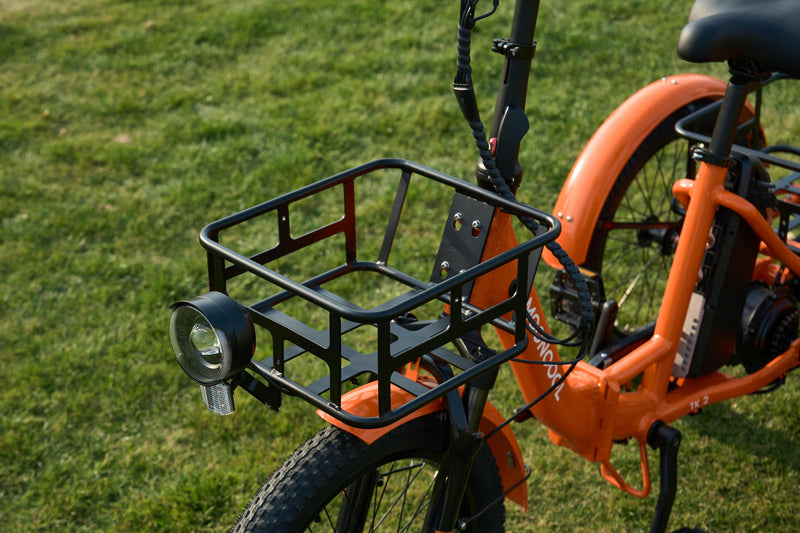
Cargo weight makes a difference to how your electric trike performs. It is possible to carry groceries, bags, and equipment in the trike’s baskets or cargo racks. While this makes them extremely practical, the added weight increases stopping distance.
For example, you can quickly stop a lightly loaded trike riding on flat pavement. But when the rear basket or cargo rack is loaded with several grocery bags, the total weight increases. On a downhill slope, gravity adds even more force, pushing the trike forward.
In these situations, the braking distance increases. This is why experienced riders start braking well before reaching intersections, hills, or crowded areas. This means they don’t have to make sudden stops or react to unexpected hazards. Electric trikes are built with strong braking systems for this very reason, but rider awareness is more important.
Mastering Your Pedal Assist System (PAS)
Pedal-assist systems on electric trikes, often called PAS, allow you to choose how much motor help you want from the motor while pedaling. Most electric trikes have several assist levels that adjust how strongly the motor responds to pedal input. Understanding when to use each level improves both safety and efficiency.
Low PAS levels
Lower assist levels are ideal for crowded areas, bike paths, and neighborhoods with frequent stops. The motor provides gentle assistance, helping you maintain slower speeds and accelerate smoothly.
Low PAS also works well when starting from a stop or taking tight turns. You may also want to use lower PAS levels to conserve battery power and complete your journey. They are also great when you want a workout, as you have to put more effort into the pedals.
Medium PAS levels
Medium assist levels provide balanced power for everyday riding. This level allows you to maintain comfortable cruising speeds without too much effort. You may want to use medium PAS for commuting or longer rides on open paths.

High PAS levels
Higher assist levels give you more help from the motor and faster acceleration. These levels are useful when climbing hills or riding into headwinds. They are also great if you don’t feel like working too hard. But remember that higher PAS levels will drain your battery more quickly, so it’s important to monitor your battery usage. You should remain mindful of your surroundings when using high PAS levels, especially in urban or crowded areas.
Throttle Only Mode
Throttle control allows riders to accelerate without pedaling. This can be helpful when starting from a stop or when riders need a short burst of power. You should only use throttle mode in a controlled way, as you can quickly lose control if you don’t pay attention.
Learning how to switch between these modes gives you more control over your trike’s speed and behavior.
Precision Control With Mooncool
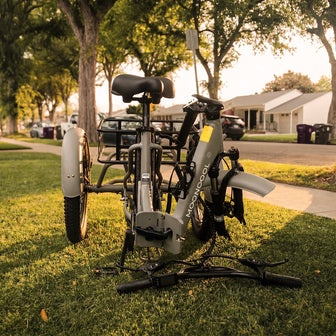
Mooncool electric trikes are designed with stability and control as core priorities. The trikes are engineered to help you manage power so you can get the most out of your rides safely.
Models like the Mooncool TK Pro electric trike have responsive pedal-assist systems with gradual acceleration rather than sudden bursts of power. This makes it easier for you to stay in control when increasing speed.
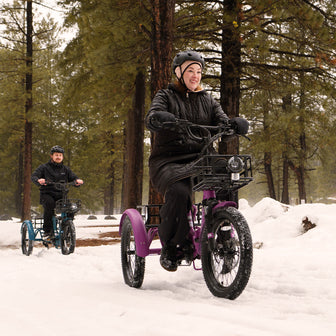
The Mooncool TK1 Fat Tire electric trike gives you an additional advantage through its wide fat tires. These tires provide additional traction and surface contact with the ground, improving braking and handling on uneven terrain. If you often ride on soft, loose surfaces like gravel, mud, and snow, the Mooncool TK1 Fat Tire electric trike may be a great fit.
Mooncool’s frame geometry also helps you stay in control. The wide rear wheelbase creates a stable platform that resists tipping when turning. Combined with an upright riding posture, this design allows you to see the road clearly and respond quickly to obstacles and hazards.
These design choices give Mooncool riders the confidence to manage speed safely wherever they ride.
Tips for Safe Speed Management
Safe speed control is a skill that improves the more you ride. If you practice these habits, you will quickly develop a natural sense of how your trike responds in different situations.
Here are several practical tips for maintaining safe speed:
Slow down before turns - Reducing speed before a turn helps maintain stability and smooth steering.
Anticipate stops - When approaching intersections or crowded areas, begin slowing early rather than braking suddenly.
Adjust speed when carrying cargo - Heavier loads increase stopping distance. You should reduce speed when transporting groceries or equipment.
Use lower PAS levels in busy areas - Lower pedal-assist levels provide smoother acceleration and better control while extending your range.
Be cautious on downhill sections - Gravity increases speed quickly on slopes. Applying light, controlled braking helps maintain steady control.
Conclusion
With electric assistance, electric trike riders can travel farther and climb hills or manage long routes with ease. Understanding the impact of speed control on electric trikes' safety helps ensure you can ride safely. Managing speed enables riders to ride through traffic, carry cargo, and respond quickly to unexpected hazards.
By learning how to brake properly, mastering pedal assist settings, and practicing responsible riding habits, you can gain full control of your trike.
Mooncool electric trikes make control achievable through thoughtful engineering, a stable design, and responsive pedal-assistance. So, if you are ready to enjoy the benefits of electric trike riding, check out Mooncool’s collection of excellent electric trikes.
Ride fearlessly. Arrive safely.