

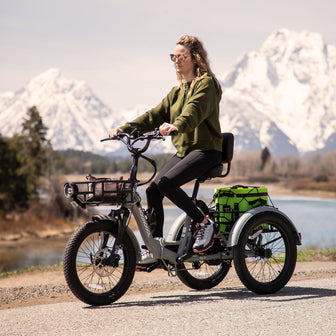
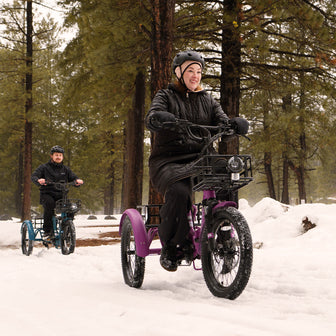
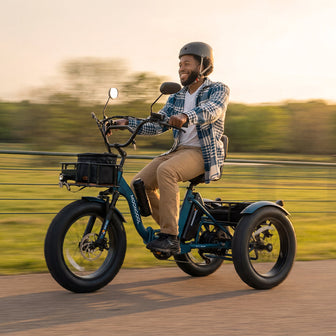
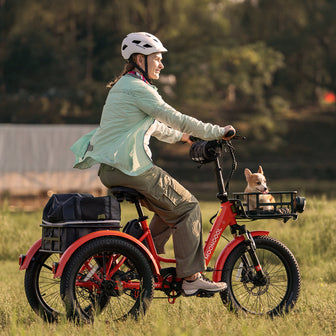

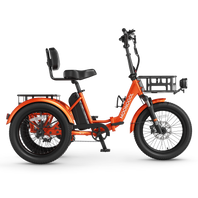
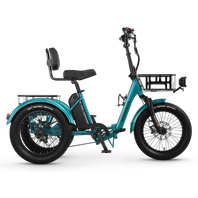
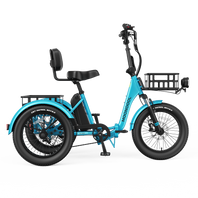
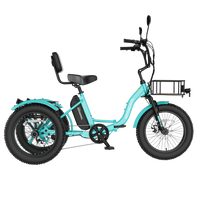
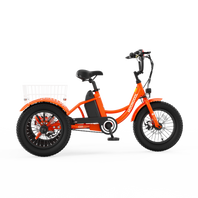







Electric trikes are built for durability and year-round reliability, but proper storage for electric trikes makes a huge difference in how your trike performs over time. Storage habits directly affect battery health, component longevity, and how ready your trike feels to ride after sitting idle for a while.
Many riders focus on maintenance while actively riding, but they often overlook storage as part of overall care. In reality, proper storage for electric trikes is an active step that protects electronics, structural components, and performance during its downtime. However, with a few intentional habits, storage becomes simple, space-efficient, and less of a headache.
In this guide, I will explain proper storage for electric trikes with a focus on battery preservation, indoor space-saving options, and protective solutions when storage indoors is tricky.
Why Proper Storage Matters During the Coldest Weeks of the Year
Cold temperatures, moisture, and inactivity can affect electric trikes in subtle but important ways. Tires gradually lose pressure, batteries degrade faster and are stored incorrectly, and metal components become more vulnerable to corrosion in damp conditions.
Proper storage for electric trikes helps you:
• Preserve battery capacity and lifespan.
• Reduce moisture-related wear.
• Minimize spring maintenance needs.
• Maintain consistent ride quality.
Protecting your trike during colder months means you don't have to spend a lot of time making adjustments and fixing things when you really need to ride.

Understanding the 40 to 60 Percent Rule
For long-term storage, we recommend charging your electric trikes' battery to approximately 40-60%. This range reduces stress on the cells and slows down degradation. If you were to store your battery fully charged for months, it would accelerate wear. Also, storing it completely empty increases the risk of deep discharge. So before storage:
• Ride or charge to reach the 40-60% range.
• Power the system off completely
Why Room Temperature Storage Is Essential
Even if the trike is stored in a garage, the battery should ideally be kept indoors at room temperature. So if you can remove the battery from the trike, put it in a dry, stable room and avoid unheated or damp spaces.
The conditions in which you keep your battery are one of the most overlooked aspects of proper storage for electric trikes. But it has one of the biggest impacts on its lifespan.
Preparing the Trike Before Storage
Dirt and residue can trap moisture and lead to corrosion if left on the trike for months. A basic cleaning protects finishes and moving parts.
Focus on:
• Frame surfaces.
• Drivetrain components.
• Wheel hubs and rims.
Always dry the trike completely before storage. You should also inflate tires to the recommended pressure to reduce flat spotting. Apply a light coating of lubricant to the chain to prevent surface rust.
Space-Saving Indoor Storage Solutions
Indoor storage offers the best environment for long-term care. Folding designs make proper storage for electric trikes more achievable, even in limited spaces.
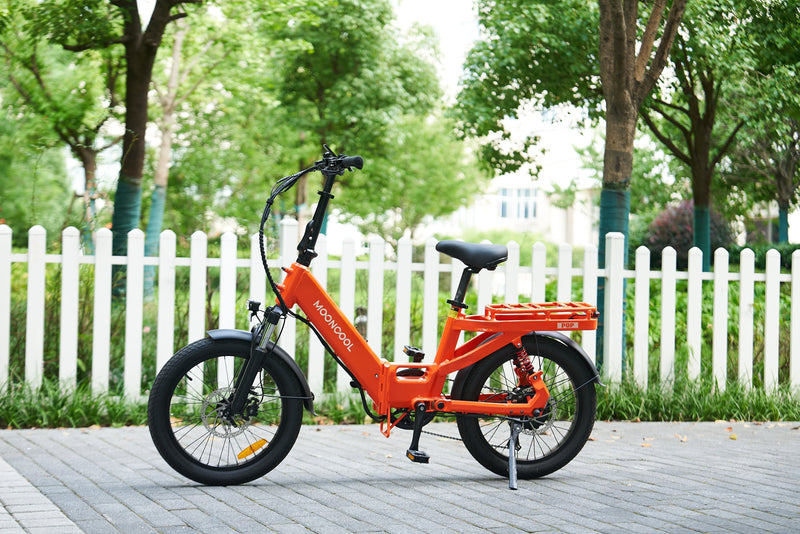
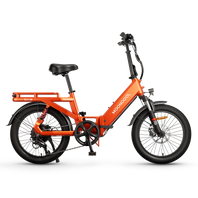
The folding frame designs of the TK1 Folding and TK Pro allow them to fit into closets, corners, or storage rooms. Folding reduces the trike’s footprint while keeping it protected from weather exposure.
Indoor storage provides:
• Stable temperatures.
• Lower humidity exposure.
• Reduced risk of environmental damage.
Confirm all locking points are secure before leaving the trike folded for extended periods.
Choosing an Indoor Storage Location
Ideal locations for proper storage for electric trikes are:
• Dry.
• Well ventilated.
• Away from heat sources or chemicals.
On the other hand, you should avoid spaces prone to flooding or condensation.
Outdoor Storage and Protective Coverage
When indoor storage is not available, extra protection is essential. Exposure to snow, rain, frost, and UV light accelerates wear on electrical components and finishes. A dedicated cover gets you closer to proper storage for electric trikes when outdoor storage is unavoidable. When you properly cover your tike, you prevent water intrusion, reduce corrosion risk, and protect the wiring and connectors.
Using the Mooncool Protective Outdoor Trike Cover
The Mooncool protective outdoor trike cover is designed to shield the trike while allowing airflow to reduce condensation.
When using a cover:
• Ensure the trike is completely dry.
• Secure the cover against wind.
• Check periodically for moisture buildup.
Managing Moisture During Storage
Moisture is one of the biggest threats to stored trikes. Temperature changes can cause condensation even under a cover. Store your trike in the driest available location, choose a cover made from breathable materials, and avoid sealing it in plastic.
Why Proper Storage Makes Your Trike Ready For Spring

Riders who follow proper storage for electric trikes experience fewer issues when warmer weather returns.
They benefit from:
• Batteries that hold charge properly.
• Tires that maintain pressure.
• Smooth drivetrain operation.
• Reliable electrical response.
Storage as Part of Long-Term Trike Care
Proper storage for electric trikes should be viewed as an extension of regular maintenance. Just as cleaning and inspections protect reliability and performance, storage habits do the same.
Ready to Ride When the Season Turns
Practicing proper storage for electric trikes now means a ready-to-ride trike in Spring. All you have to do is a quick check and charge the battery. Battery health is preserved, components stay protected, and your first ride back feels as good as the last one.
If you are planning ahead for seasonal care or exploring trikes designed with convenience and durability in mind, browse Mooncool’s electric trike lineup and accessories.